

The Conference on Generative AI in Sustainable Marketing and Consumer Well-being was successfully hosted by the Division of Business and Hospitality Management at the School of Professional Education and Executive Development (SPEED), The Hong Kong Polytechnic University (PolyU), on 22 June 2026. It was co-organized by Prof Rita Li, Director of the MSc in Financial Technology Management and the Sustainable Real Estate Research Center at Hong Kong Shue Yan University, together with Tung Wah College, the Research Center for Green Business (RCGB), CIM Hong Kong, and the Asian Social Marketing Association (Figures 1–3).
The conference aims to provide a platform for academics, practitioners, and other stakeholders to share insights into the transformative potential of generative AI for sustainable marketing and consumer well-being. By balancing technological innovation with ethical considerations, it aims to strengthen research capacity, promote consumer and social well-being in the AI era.
Mr Daniel Shek from AWS delivered a talk on three stages of AI engineering iteration: Prompt Engineering, Context Engineering, and Harness Engineering (Figure 4). He emphasized that harness engineering is about making AI agents reliable. Using a horse-riding analogy, he explained that while an AI model can be powerful, it may be directionless like a horse without guidance. The harness, in turn, channels the model’s capabilities in a controlled and dependable way. Towards the end of his presentation, Mr Shek demonstrated an example he built for personal use: an AI tool that analyses foreign-currency sentiment to support investment advice, illustrating how simple, everyday FinTech tools can be developed.
Mr Keith Li, Chairman of the Wireless Technology Industry Association and CEO of Allytic AI Limited, noted that one of the most significant shifts in recent developments is the growing ability for non-specialists to build applications. Even with a background in computer science, he said he now performs all the app development without writing a single line of code. He illustrated this point using an app he developed via Poe and a multi-agent lab (Figure 5).
Prof Eric Tsui, from the Educational Research Centre at The Hong Kong Polytechnic University, then spoke on Digital Twins in Marketing, sharing real-world case studies. He highlighted how generative AI can strengthen sustainable marketing research (Figure 6) and how the Internet of Things (IoT) can help reduce research manpower costs. He also addressed key limitations and risks, including hallucinations, when AI is applied in different contexts. The conference was fully supported by a grant from the Research Grants Council of the Hong Kong Special Administrative Region, China (Project No.: UGC/IIDS24/B03/25).
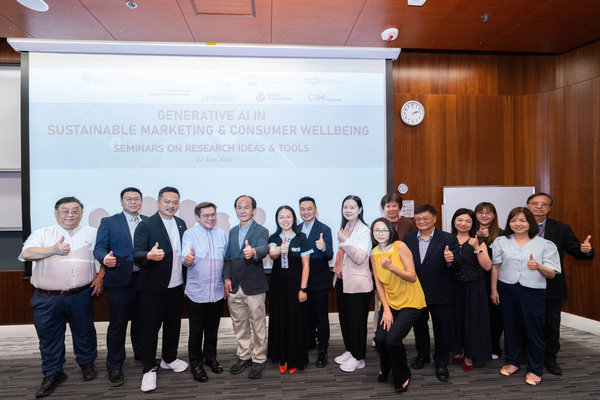
Figure 1: Organizing Committee group photo with the three speakers.
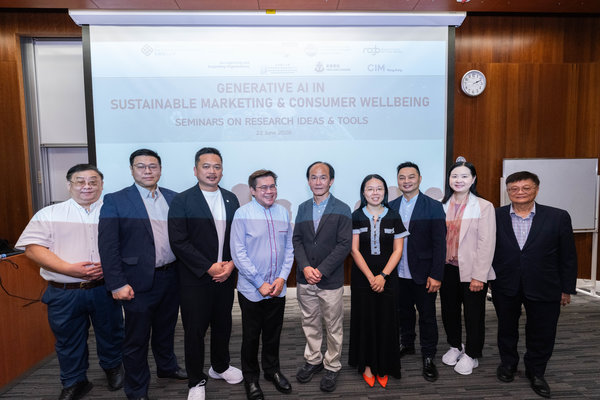
Figure 2: Representatives from PolyU SPEED, Tung Wah College, and Hong Kong Shue Yan University, and three invited speakers.
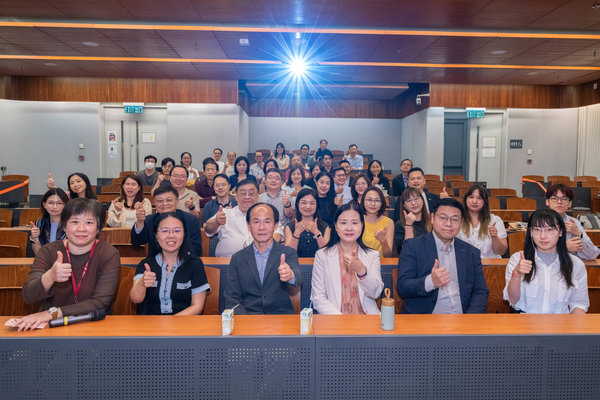
Figure 3: Participants' group photo.
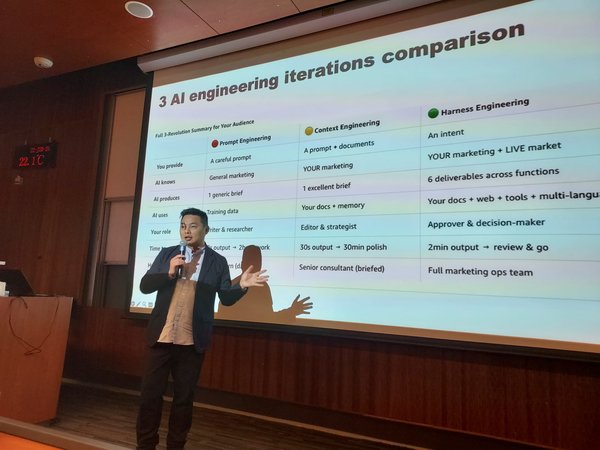
Figure 4: Mr Daniel Shek from AWS delivered his talk on GenAI development.
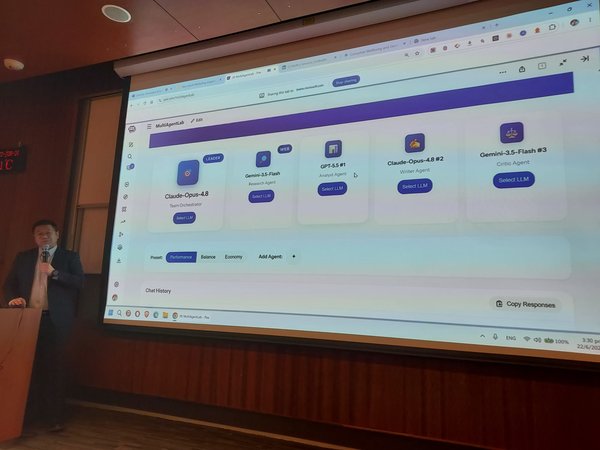
Figure 5: Mr Keith Li, Chairman of the Wireless Technology Industry Association and CEO of Allytic AI Limited, demonstrated his multi-agent lab for app development and coding.
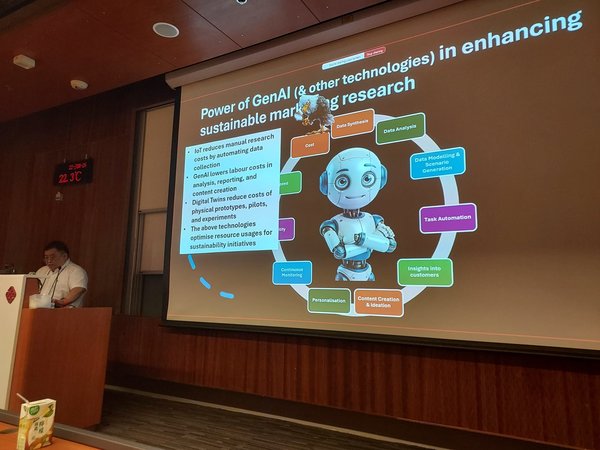
Figure 6: Prof Eric Tsui highlighted the power of GenAI in enhancing sustainable marketing research.